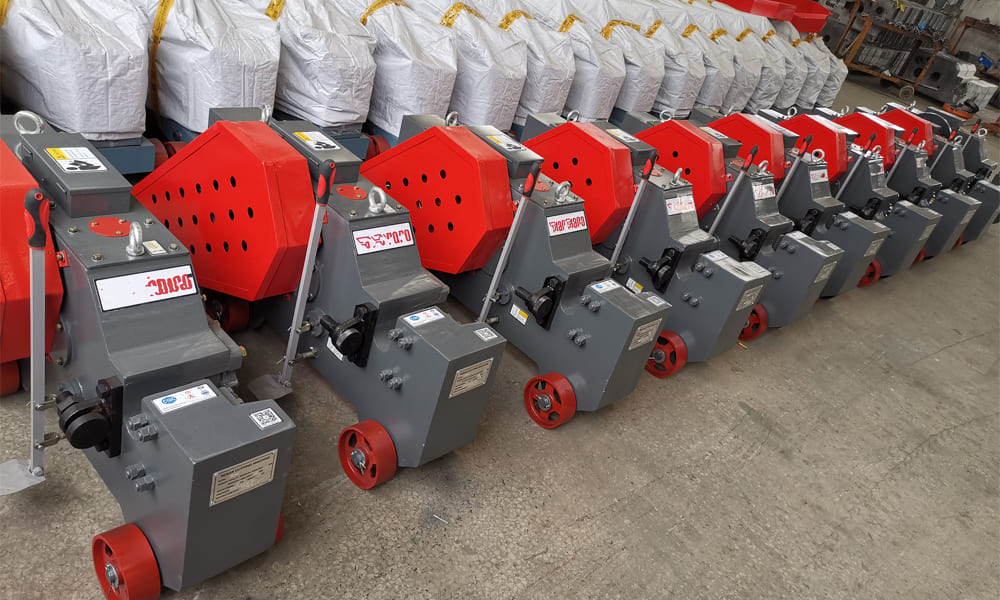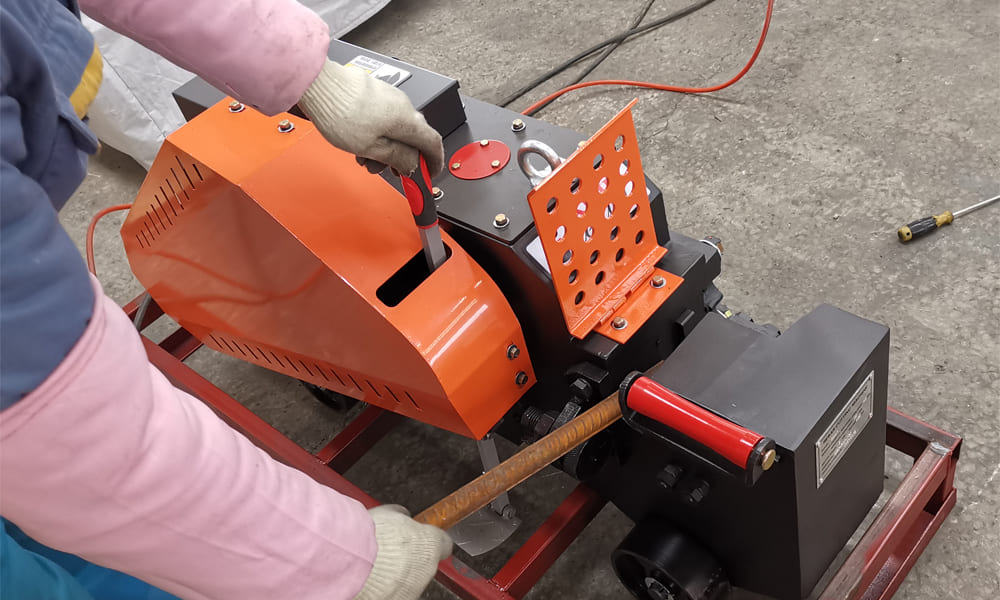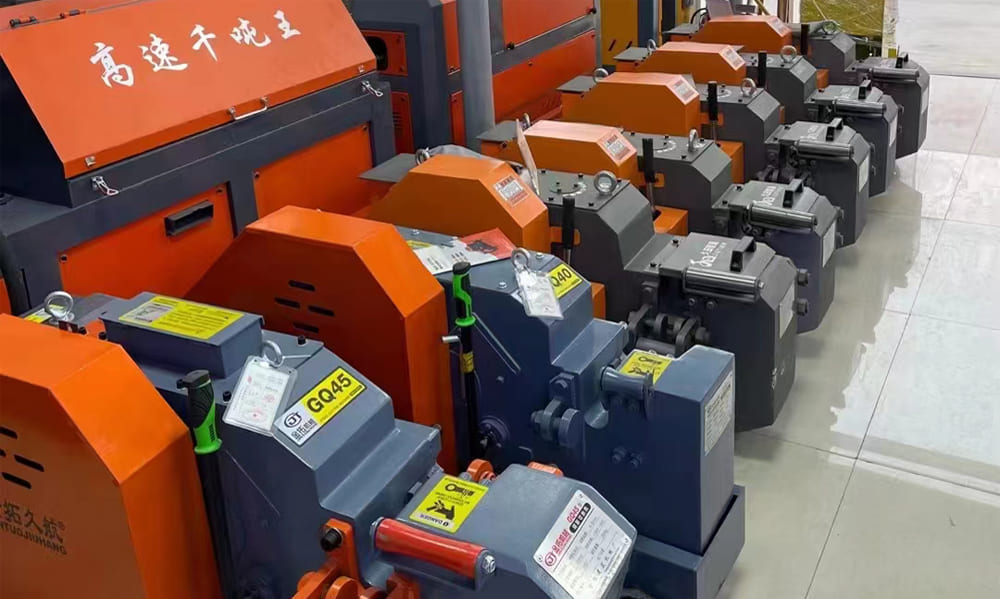
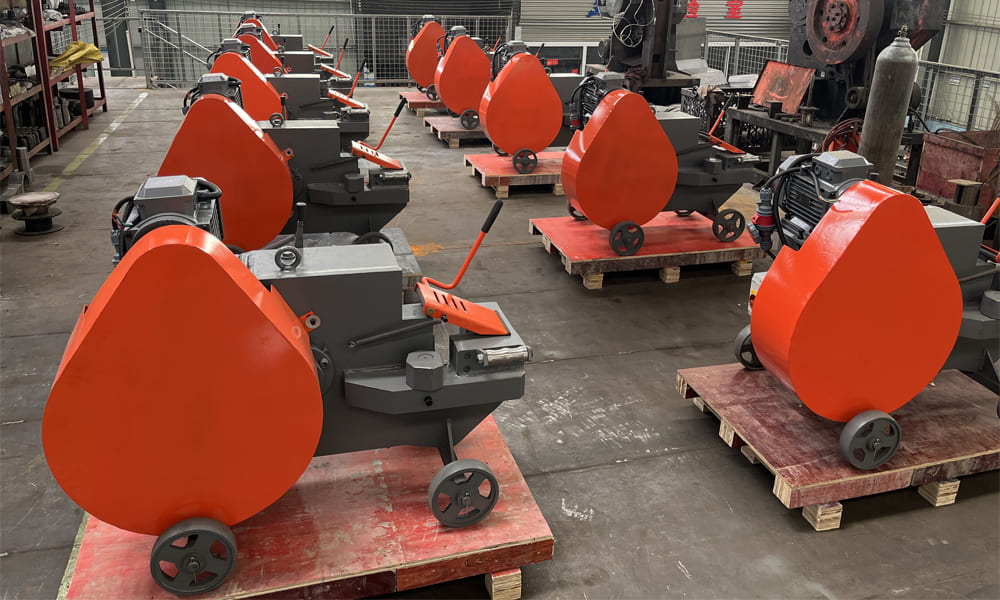
High noise levels are one of the most common complaints when operating C52 Cutter. Persistent noise not only reduces workplace comfort but also poses long-term hearing risks. Understanding where the noise comes from—and how to control it—can greatly improve both safety and efficiency.
1. Why C52 Cutter Become Noisy
Rebar cutter generate sound from multiple mechanical sources. The most frequent contributors include:
A. Cutting Impact Noise
When the moving blade strikes the rebar against the fixed blade, a sharp impact is produced. This shearing action is naturally loud and remains the primary source of cutting noise.
B. Wear in Mechanical Parts
With long-term use, components such as:
-
gears
-
bearings
-
connecting pins
-
sliding surfaces
begin to wear. Increased clearance between these parts leads to rattling, uneven rotation, and frictional noise.
C. Loose Assembly Points
Bolts on the tool holder, body panels, motor base, and protective covers may loosen over time. Even slight looseness can allow vibration to amplify into noticeable noise.
D. Motor-Related Noise
The motor can introduce several noise types:
-
electromagnetic humming
-
high-frequency whine from overloaded motors
-
scraping or imbalance in cooling fans
E. Structural Vibration
If the C52 Cutter machine sits on a weak or hollow surface, vibration is amplified like a soundboard. Thin steel plates, wooden platforms, or uneven ground can dramatically increase noise.
2. Quick Noise-Reduction Steps You Can Do Immediately
These practical steps offer fast improvement without significant cost:
A. Tighten All Fasteners
Power off the machine and inspect:
-
external bolts
-
internal connection points
-
motor mounting bolts
-
blade holder and guard screws
Loose components commonly cause buzzing and rattling.
B. Restore Lubrication
Apply grease or oil to all lubrication points. Lack of lubrication accelerates wear and increases noise from:
-
gears
-
bearings
-
guide rails
-
connecting parts
C. Improve Ground Stability
Move the equipment onto a solid concrete floor.
To further reduce vibration transmission, place rubber dampers or thick pads (old tire pieces also work) under the base.
3. Long-Term Solutions for Lasting Noise Control
If noise persists after simple adjustments, deeper intervention may be necessary.
A. Repair or Replace Worn Components
A professional technician should inspect:
-
bearings
-
gear assemblies
-
blades
-
shafts
Severe wear often generates continuous noise that won’t disappear without part replacement.
B. Adjust Blade Clearance
Incorrect blade gap increases cutting resistance and impact force. Proper alignment reduces both noise and blade wear.
C. Upgrade Equipment
Modern rebar cutters are designed with lower-noise mechanisms, improved transmission systems, and better vibration control. Replacing outdated models often results in a major noise reduction.
D. Motor Upgrades
If the frame and gearbox are still in good condition, installing a low-noise or higher-quality motor can significantly improve acoustic performance.
E. Hearing Protection
Regardless of machinery condition, operators should always use:
-
industrial earmuffs
-
noise-reducing earplugs
This is essential for maintaining long-term hearing health.
4. Recommended Action Plan
Immediate Steps
-
Tighten loose components
-
Lubricate all moving parts
-
Install vibration-absorbing pads
These simple actions often cut noise levels by 30–50%.
Mid-Term Measures
Schedule a full mechanical inspection to identify worn parts or misaligned components.
Long-Term Strategy
Plan eventual equipment replacement if the machine is heavily used or past its service life. Continue enforcing hearing protection for all operators.