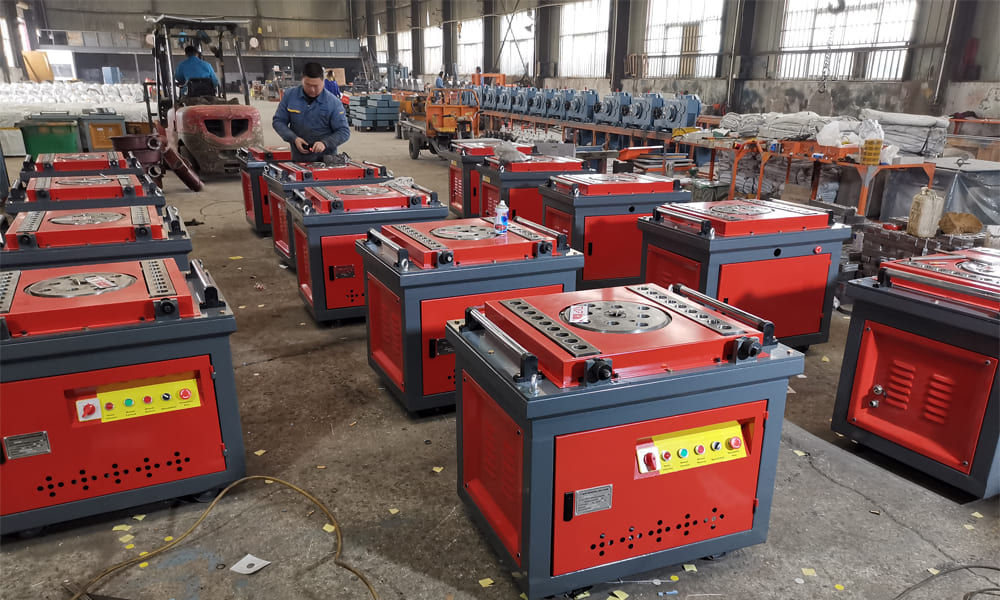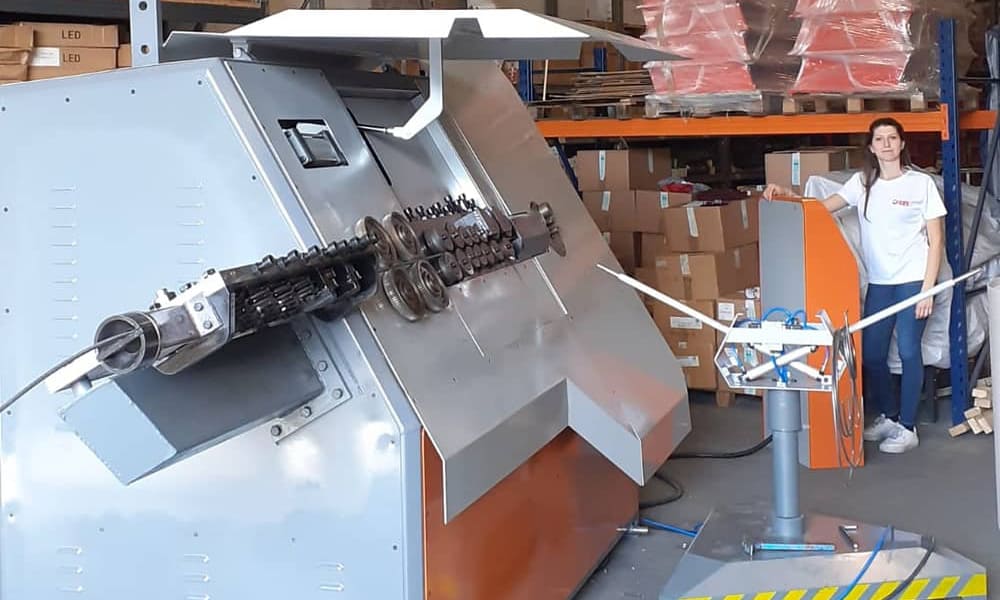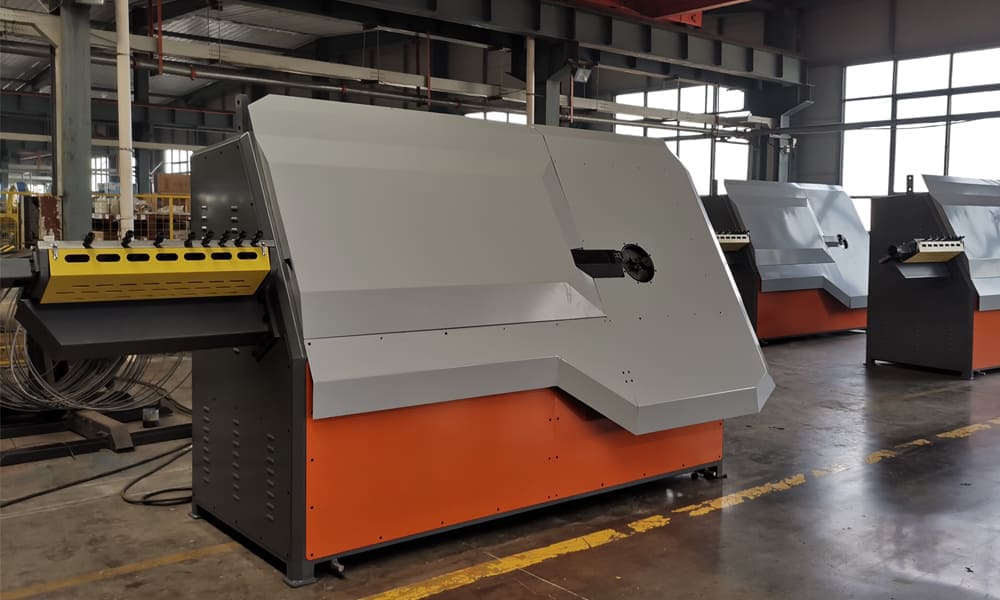
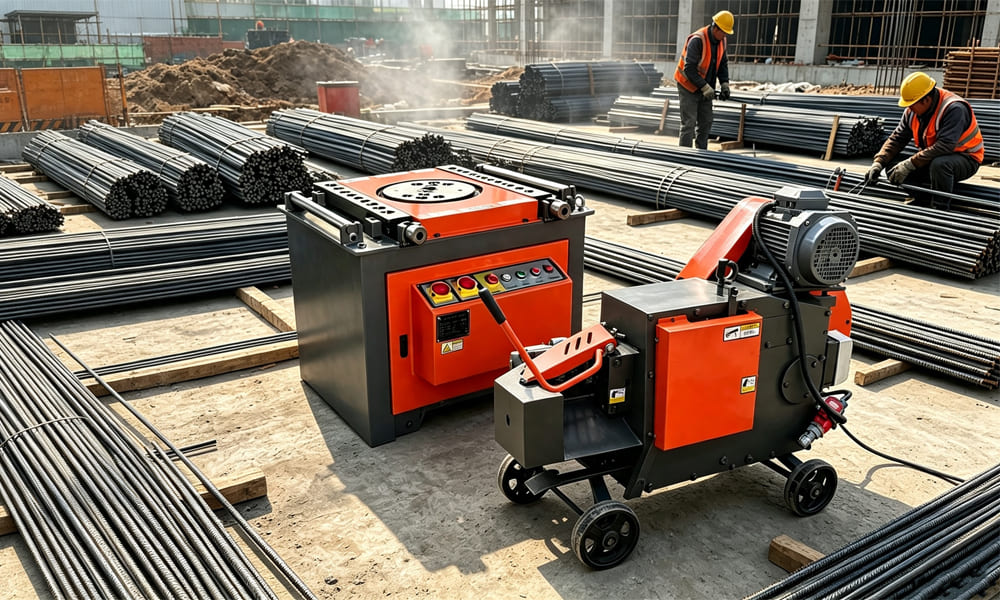
P44 Rebar Bender Rebar Cracking or Edge Chipping During Bending
I. Primary Causes
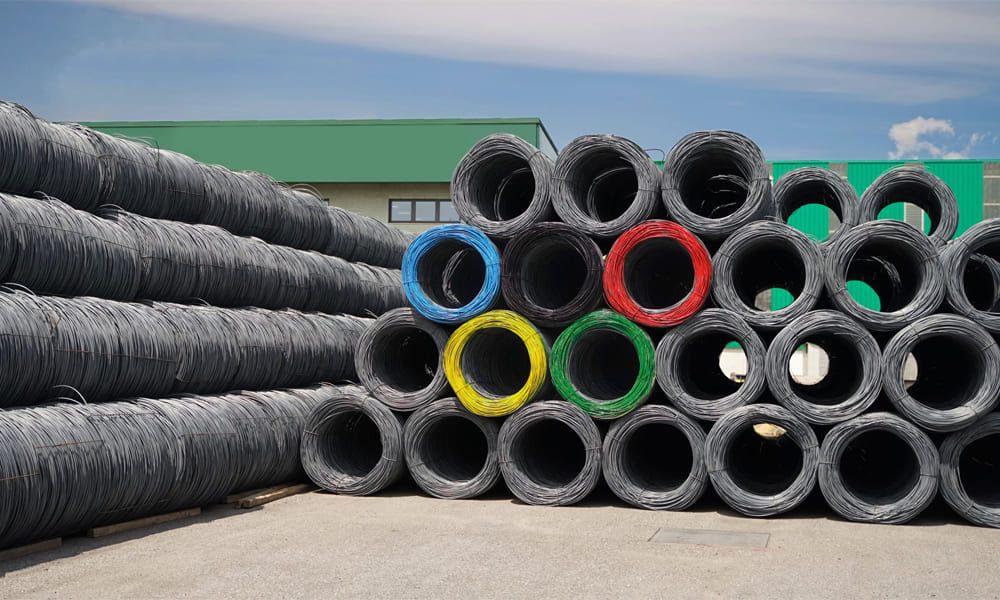
1. Rebar Material Issues
1. Substandard material quality (high brittleness, poor ductility); presence of internal defects such as cracks, severe corrosion, slag inclusions, or delamination.
2. Excessive cold working (reduced ductility after cold drawing); increased brittleness in low-temperature environments, making the rebar prone to cracking during bending.
3. Mismatch between the rebar grade and the actual processing diameter; forced bending of high-strength rebar using a small radius.
2. P44 Rebar Bender Equipment and Tooling Issues
1. Severe wear on the bending machine’s mandrel and forming pin; sharp edges or grooves on the tooling causing surface crushing or chipping/cracking.
2. Mandrel diameter is too small (bending radius below the minimum specified limit); stress concentration leads to direct cracking.
3. Excessive clearance or misalignment (eccentricity) of the tooling; uneven force distribution causing localized stress overload and edge chipping.
3. Operational Process Issues
1. Bending to the final angle in a single, violent motion rather than a slow, steady process; impact loads causing cracks.
2. Positioning rebar joints, corrosion pits, or shear cuts at the point of maximum bending stress; burrs at shear cuts causing immediate cracking under stress.
3. Processing beyond specifications (bending rebar diameters that exceed the equipment’s rated capacity).
II. Preventive Measures
1. Raw Material Control: Select compliant rebar; prohibit the use of rebar with severe corrosion or surface cracks; avoid cold bending operations in low-temperature environments whenever possible.
2. Standardized Bending Radius: Strictly select mandrels of adequate diameter according to specifications (not less than the minimum standard bending radius); strictly prohibit forced bending of high-strength rebar with small mandrels.
3. Regular Equipment Inspection: Promptly replace worn or sharp-edged mandrels and stop pins; ensure tooling surfaces are smooth and free of burrs; ensure tooling is installed concentrically without misalignment.
4. Proper Operation: Bend slowly and at a steady speed; avoid sudden impacts or forceful jerking. Position the bend away from sheared ends, corrosion pits, or weld seams. Do not exceed the equipment’s rated specifications.
5. Pre-processing: Grind off burrs from sheared ends. Perform a test bend before mass production to ensure no cracking or edge spalling occurs.