Analysis of Excessive Wear on Shaft 1 (Input Shaft) at Pulley End of Steel Bar Bending Machine
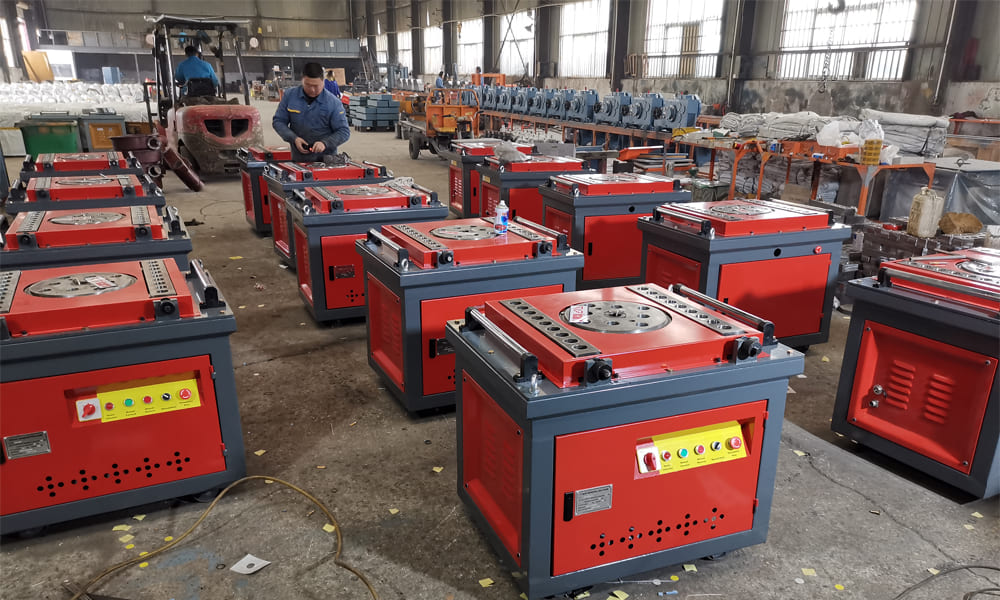
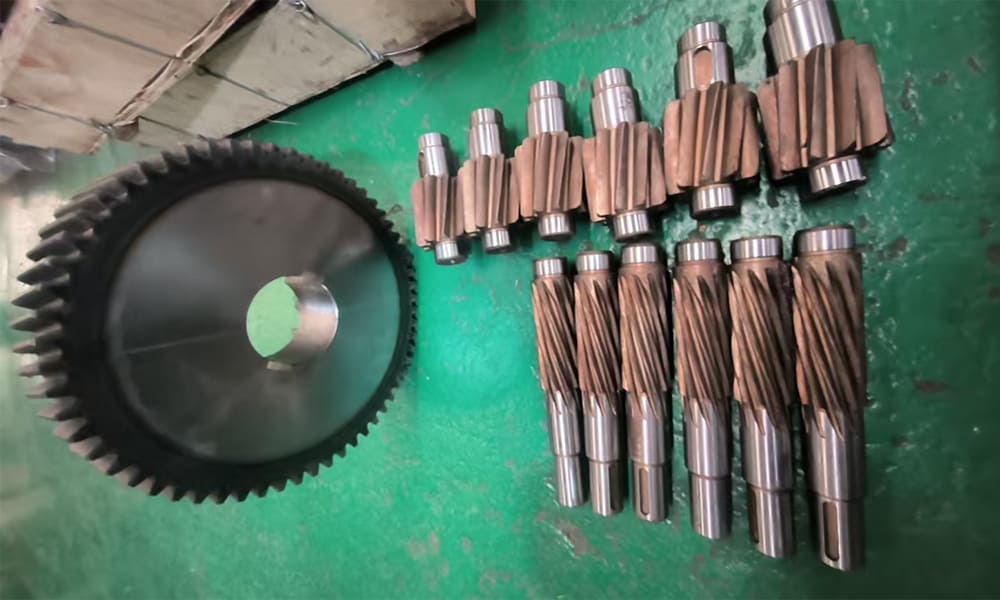
Rebar Bending Machine 1 Shaft Wear is concentrated on the shaft journal where the pulley is mounted, with out-of-roundness and key rolling. The bearing seat and gear section remain normal. This is mainly caused by fretting wear and abrasive wear due to micro-movement, deflection and impact of the overhanging pulley.
1. Assembly and Fit Issues (Most Common)
- Excessive clearance between pulley bore and shaft journal The transition fit becomes loose clearance. The bending machine works under impact load. When the machine starts or the steel bar jams, slight slip occurs repeatedly between the hub and shaft journal, resulting in fretting corrosion. The clearance grows larger after wear, forming a vicious cycle. If only the shaft is replaced while the worn old pulley is reused, the failure will reoccur quickly.
- Poor fit of flat key and keyway (key rolling) Undersized keys, rounded damaged keyway sides or loose key assembly. Impact torque squeezes one side of the key continuously, causing minor hub movement and accelerating shaft journal wear. Replacing the key alone without repairing the keyway cannot solve the root cause.
- Failed locking and fastening Set screws, round nuts or lock washers become loose. Without reliable axial locking, the pulley shifts axially during operation and rubs the shaft journal repeatedly.
- Excessive clearance or damage of Shaft 1 bearing Worn bearings near the pulley end have large play. The overhanging shaft end swings, the pulley runs eccentrically and causes unilateral wear on the shaft journal. The bearing is often the root cause, while many operators only notice the worn shaft.
2. Pulley Alignment and Belt Tension Problems (Frequent on Construction Sites)
- Misalignment between motor pulley and Shaft 1 pulley The two pulleys are not parallel or offset angularly. The V-belt generates continuous lateral bending load on the overhanging shaft end, amplifying vibration and accelerating journal wear. Accompanied by belt edge wear and belt deviation.
- Improper V-belt tension
- Over-tension: Higher bending moment and bearing load, aggravated shaft vibration and fatigue.
- Under-tension: Belt slipping. Slipping generates heat, and impact loads act directly on the shaft and key. Rubber dust from slipping enters the mating surface and acts as abrasive particles.
- Worn pulley grooves or mismatched groove profiles Widened or deepened pulley grooves allow the belt to shake inside the groove, causing unstable transmission and frequent impact. Mixing different V-belt models also leads to poor contact and cyclic impact.
3. Load and Impact Conditions (Special for Bar Benders)
- Overloading and heavy frequent impact Bending steel bars beyond the machine specification, forced startup when steel jams, frequent jogging. Large torque shock at jamming concentrates stress on the overhanging pulley end and multiplies fretting wear rate.
- Long overhang of Shaft 1 with insufficient rigidity The pulley extends far beyond the bearing support point. Large deflection and swing under load, which is an inherent structural weakness of this model.
4. Dust, Lubrication and Abrasive Wear
- Failed dust protection, mortar and iron filings entering the hub-shaft fit Construction dust, iron chips and mortar get into the clearance between pulley hub and shaft journal, creating a sanding effect for fast abrasive wear. Broken guards or missing dust seals are typical triggers.
- Water ingress and rust Rainwater or cooling water penetrates and rusts the shaft journal. Rust particles continuously scrape the mating surface.
Note: This is a hub-shaft interference fit, not a sliding bearing. Oiling here traps dust and worsens abrasive wear.
5. Material and Heat Treatment Defects
- The pulley journal of Shaft 1 lacks quenching or tempering, with low surface hardness and poor fretting resistance.
- The pulley hub material is too soft; the shaft wears preferentially instead of the hub.
On-site Inspection Sequence
- Rotate the pulley by hand to check radial play → Verify bearing condition first
- Measure radial runout and face runout of the pulley, check parallel alignment of two pulleys
- Dismantle the pulley, inspect bore wear, keyway damage and journal roundness
- Confirm belt model, groove profile and belt tension
- Check dust guard integrity and mortar/iron chip ingress
- Confirm operation habits: overloading, forced startup under jamming
Permanent Solutions to Avoid Recurring Rebar Bending Machine 1 Shaft Wear
- Replace loose/damaged bearings together with the shaft; do not only change the shaft
- Replace pulleys with worn inner bores; never shim the worn bore with thin iron sheets
- Keep pulleys aligned properly; adjust belt tension to get 10~15 mm deflection under hand pressure
- Repair damaged keyways and custom-fit standard flat keys; secure locking reliably
- Repair dust guards to block mortar and iron chips from entering the mating area
- Prohibit overloading. Cut off power before clearing jammed steel bars; no forced jog startup