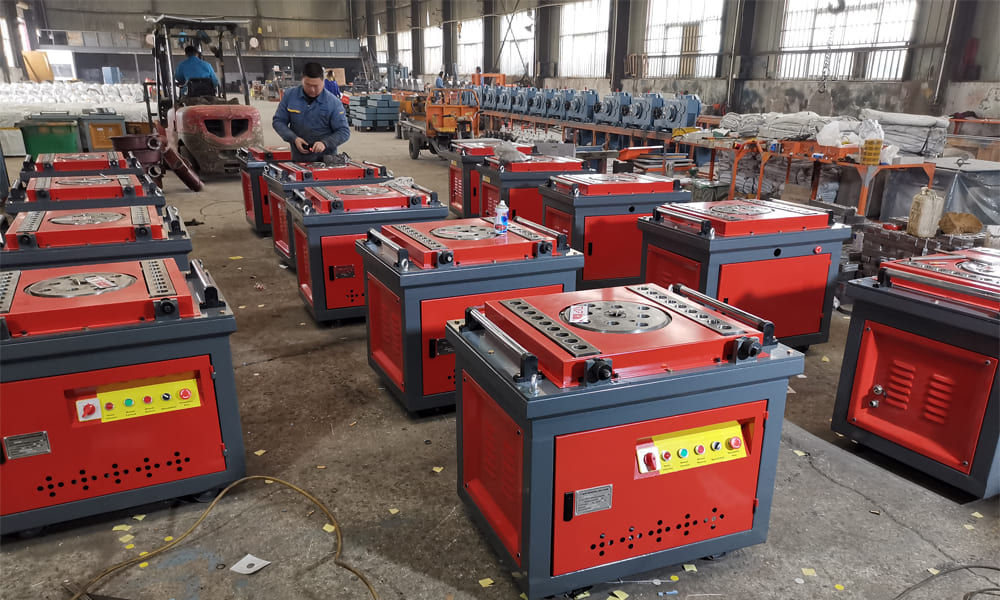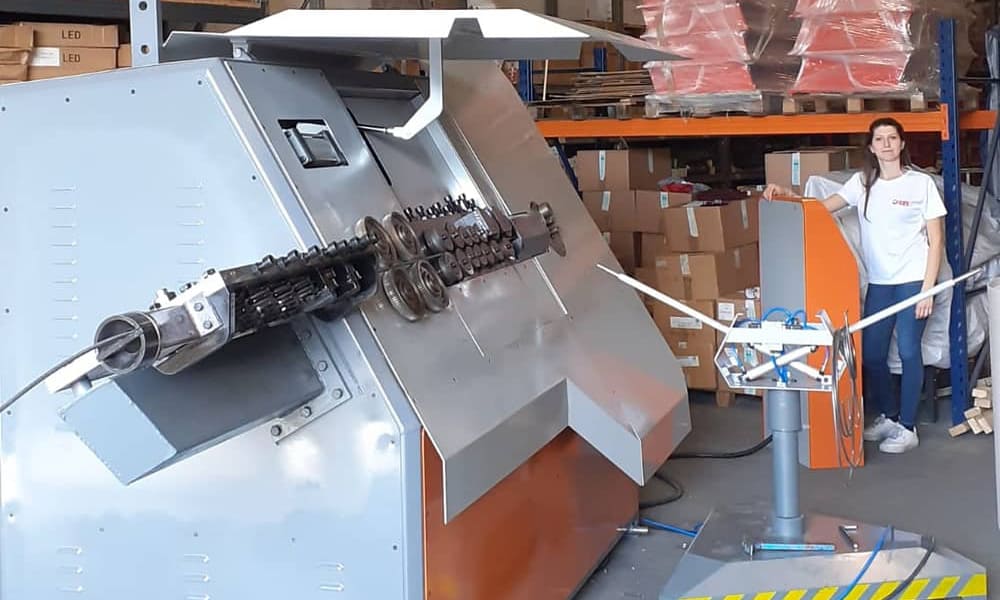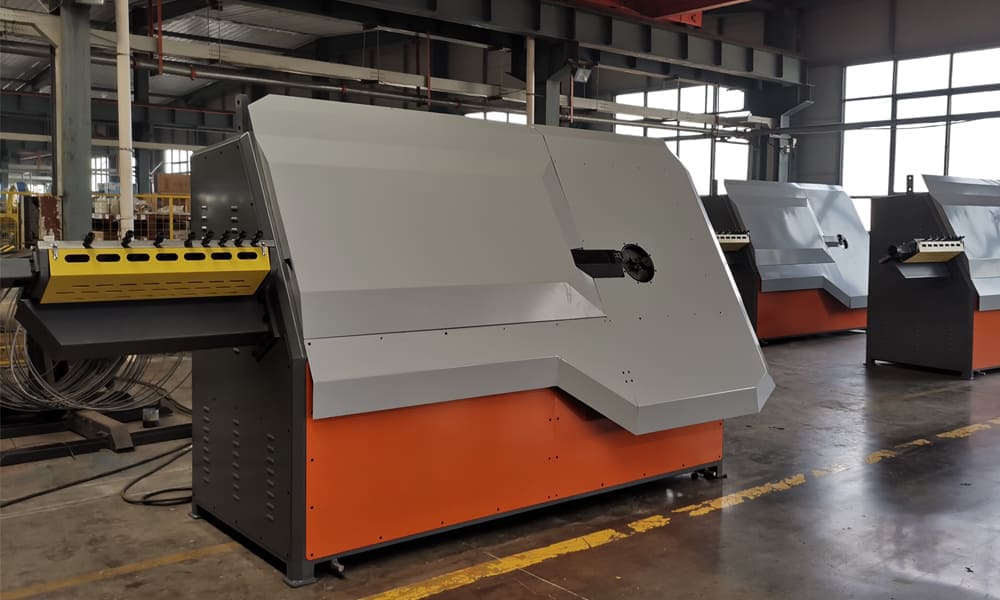

Comprehensive Guide to P52 Steel Bar Bending Machine Maintenance
Proper maintenance is crucial for ensuring the long-term reliability, accuracy, safety, and extended service life of P52 steel bar bending machine. Here is a systematic and practical maintenance guide covering daily, periodic, and seasonal/long-term storage procedures.
1. Daily Maintenance (Before/After Each Use or Shift)
This is the most fundamental and essential routine.
-
Cleaning
-
After Operation: Thoroughly clean all iron scraps, oil stains, and dust from the worktable, mandrels (pins), stoppers, and surrounding areas. Ensure no debris accumulates near moving parts.
-
Before Operation: Check that the machine is clean and free of any foreign objects that could hinder movement.
-
-
Inspection & Tightening
-
Before starting, check all bolts and nuts—especially on critical parts like the bending disc, mandrels, stopper frame, and fixing pins—and tighten them immediately if loose.
-
Inspect all safety guards to ensure they are intact and securely fastened.
-
-
Lubrication
-
Apply a small amount of lubricating oil to manual lubrication points on sliding components (e.g., slide rods, stopper grooves) as required to ensure smooth operation.
-
-
Test Run
-
Run the machine without load for 1-2 minutes. Listen for abnormal sounds (e.g., knocking, sharp grinding), observe if vibration is excessive, and verify that forward/reverse functions and foot switches/buttons are responsive and reliable.
-
2. Periodic Maintenance (Weekly/Monthly or Every 500 Operating Hours)
Perform more in-depth inspection and servicing.
-
Comprehensive Lubrication (Core Task)
-
Gearbox/Reduction Unit: Check the oil level and quality. Top up with the specified type of gear oil if low. Completely change the oil if it appears dirty, emulsified, or contains metal particles. Typically, change oil after the first 300 hours, then every 6 months or 2,500 hours.
-
Bearings & Rotating Parts: Use grease nipples to inject high-temperature lithium-based grease into main shaft bearings, worm gearbox bearings, etc., until old, contaminated grease is purged.
-
Transmission Chains/Belts: Clean and apply grease to chains. Check belt tension and adjust to prevent slipping.
-
-
Critical Component Inspection
-
Transmission System: Check for wear on gears and worm/worm wheels. Look for pitting, spalling on tooth surfaces, and ensure proper meshing clearance.
-
Mandrels & Bending Disc: Inspect the bending disc’s locating holes for excessive wear. Check mandrels for deformation or severe wear. Ensure they match the steel bar specifications.
-
Electrical System:
-
Check the electric motor for unusual noise and abnormal temperature.
-
Verify that limit switches and travel switches function sensitively. Check contacts for signs of burning.
-
Clean dust from the electrical cabinet and tighten all wire terminals to prevent loose connections.
-
-
Hydraulic System (For Hydraulic Benders):
-
Check hydraulic fluid level and quality. Filter or replace fluid as scheduled.
-
Inspect hoses and fittings for leaks.
-
Check hydraulic cylinders for smooth operation without “creeping” or jerky movement.
-
-
-
Accuracy Calibration
-
Perform test bends using a standard sample bar. Check if bending angles (e.g., 90°, 135°) are accurate. If deviations exist, adjust the angle limit stops or control system parameters.
-
3. Seasonal / Long-Term Storage Maintenance
If the machine will be idle for an extended period (e.g., over one month), special care is needed.
-
Thorough Cleaning & Rust Prevention
-
Clean the machine completely. Apply a coat of anti-rust oil or grease to all exposed metal working surfaces (e.g., bending disc, mandrels, guide rails).
-
-
Proper Storage
-
Store the machine indoors on a level, dry surface, protected from rain and dampness.
-
Cover it with a protective tarp to prevent dust accumulation.
-
-
Relieve Load & Pressure
-
Remove or loosen drive belts and chains.
-
For hydraulic machines, retract all cylinder piston rods to their shortest position to reduce prolonged pressure on seals.
-
-
Pre-Use Inspection after Storage
-
Before restarting a stored machine, perform a full periodic maintenance check, ensure proper lubrication, and conduct a no-load test run.
-
4. Safety Warnings for Operation & Maintenance
-
Lock Out, Tag Out (LOTO): Always completely disconnect the power supply (and follow LOTO procedures) before performing any maintenance, cleaning, or adjustment.
-
No Overloading or Bypassing Safety: Never exceed the machine’s rated capacity (by bending bars that are too large or strong) or operate it with safety guards removed.
-
Use Genuine Parts & Fluids: When replacing worn parts (e.g., mandrels, gears) or adding lubricants, always prefer original manufacturer-recommended parts or equivalents with identical specifications.
-
Maintain Maintenance Logs: Create and fill out an 《Equipment Maintenance Log Sheet》. Record the date, tasks performed, parts replaced, and any issues found for each service. This helps track machine condition and plan future maintenance.
Maintenance Summary Table
| Frequency | Core Tasks | Key Points |
|---|---|---|
| Daily | Clean, Inspect, Test Run | Remove scraps, tighten bolts, listen for abnormalities |
| Periodic | Lubricate, Inspect, Calibrate | Change/Add gear oil & grease bearings, check gears/electrical/hydraulic systems, calibrate angles |
| Long-Term Storage | Rust-proof, Unload, Protect | Apply anti-rust oil, loosen belts, store indoors, cover |