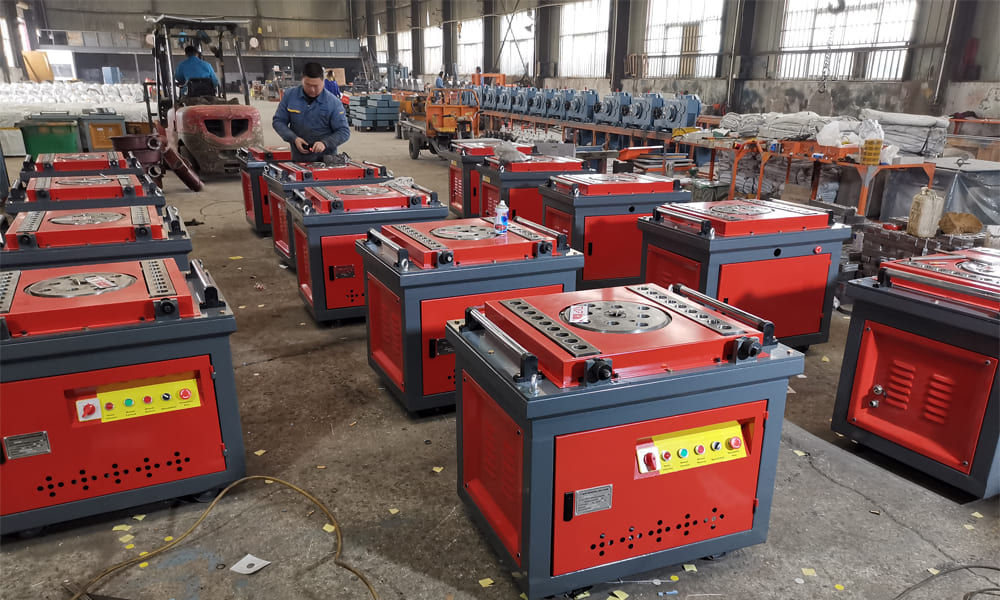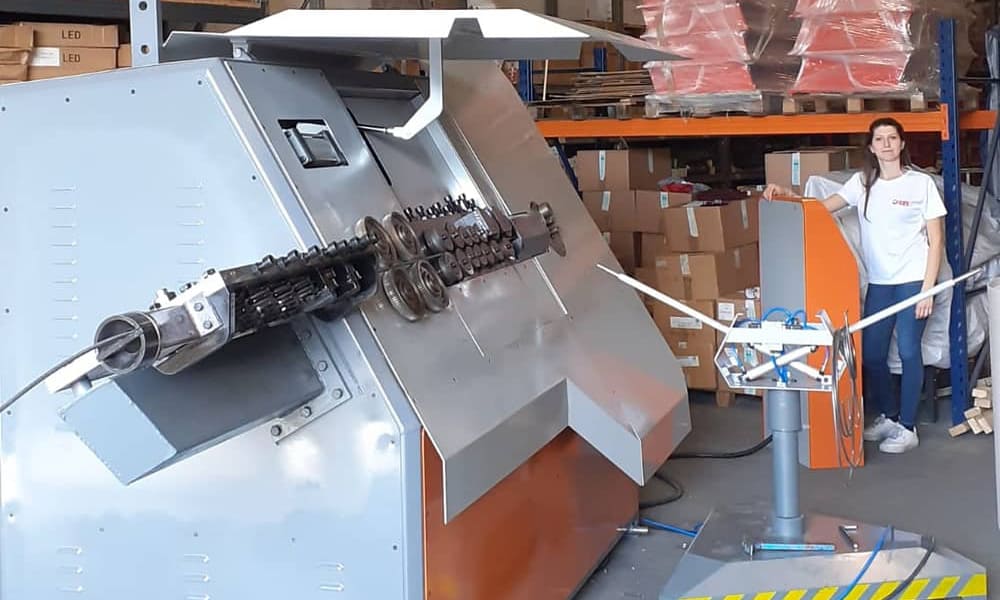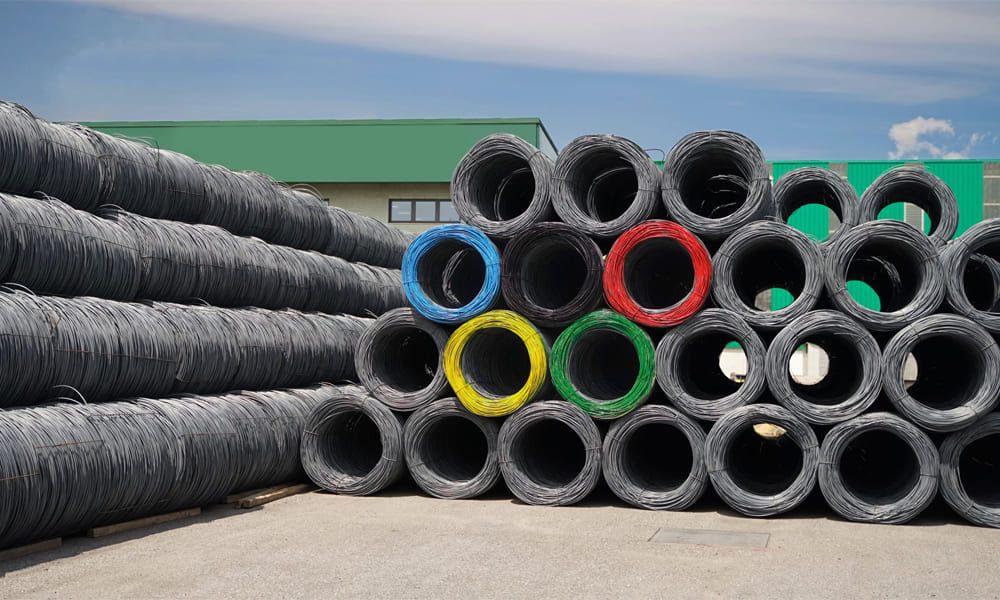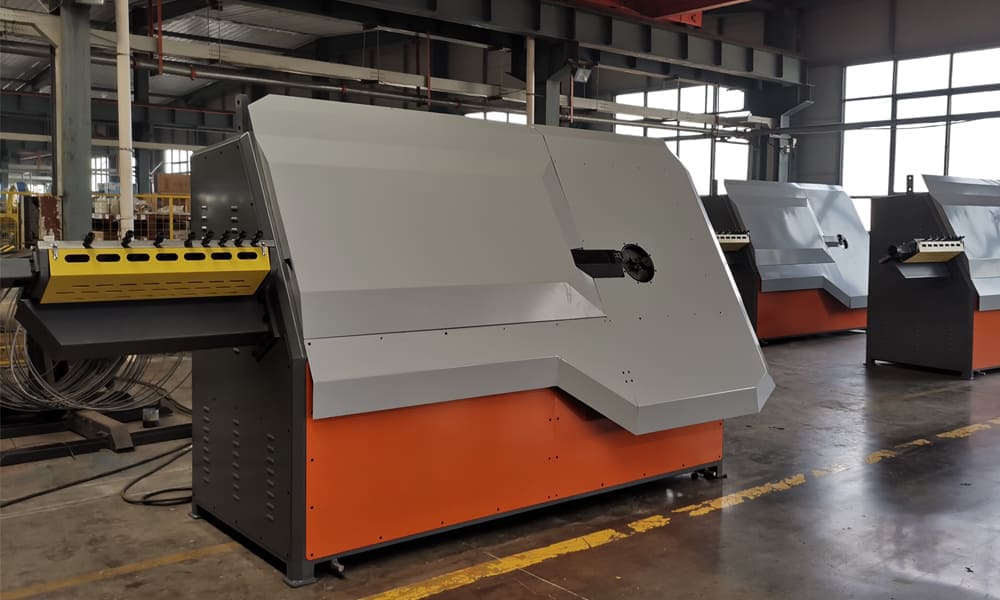
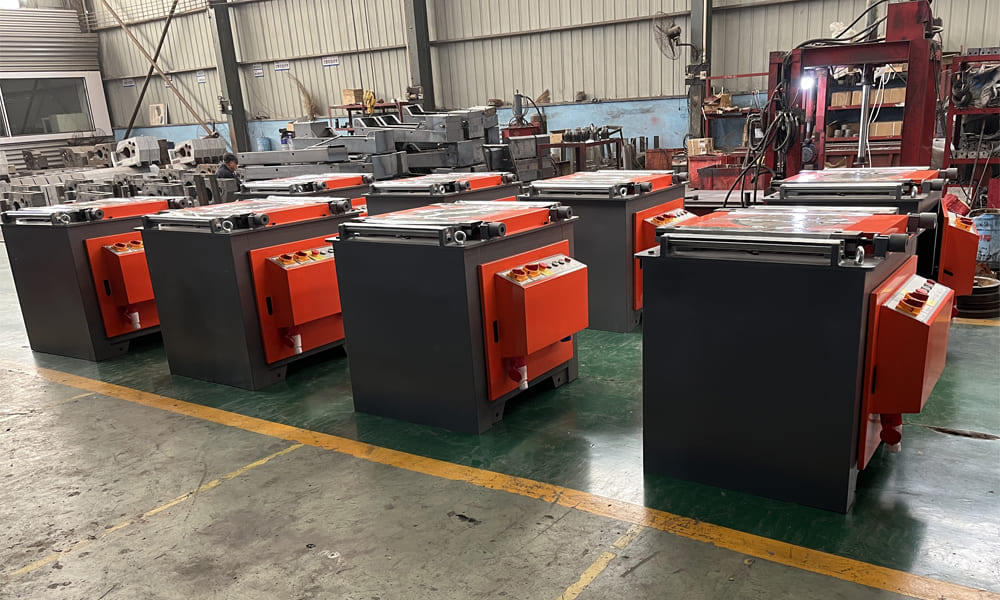
A P52 Rebar Bender is a specialized piece of equipment designed to bend reinforcement steel bars (rebars) into precise angles for use in construction, bridges, tunnels, and other large-scale projects. Its structure combines strength, precision, and automation to deliver consistent results with high efficiency. Below, we break down the key components that make this machine indispensable in modern construction.
1. Frame and Base
The frame forms the supporting structure of the machine, usually welded from high-strength steel to ensure durability and stability. The base is fitted with anchor bolts, which keep the machine securely in place and reduce vibrations during bending operations.
2. Power System
The power system consists of an electric motor (typically ranging from 3 to 7.5 kW) and a gearbox or reducer. These elements work together to transmit power to the working platen, delivering the torque required for smooth and precise rebar bending.
3. Working Platen and Bending Mechanism
At the core of the machine is the working platen, a rotating disc fitted with an angle dial (0°–180°) and a fixed pin. The bending mechanism includes a bending pin and stopper shaft, which apply mechanical or hydraulic pressure to shape the rebar into the desired angle.
4. Hydraulic System (Hydraulic Models)
Hydraulic rebar benders are equipped with a hydraulic pump unit, cylinders, control valves, and piping. These components drive the bending arm, enabling the machine to handle high-load bending tasks. Many models also feature a pressure gauge for regulating bending force.
5. Control System
Traditional machines use pushbuttons or foot switches for start/stop functions. Advanced CNC models are equipped with a PLC and touchscreen interface, allowing users to preset bending angles and speeds. Safety is enhanced through features such as emergency stop switches, protective covers, and overload protectors.
6. Auxiliary Components
Additional parts such as wheels for mobility, angle positioning baffles, and bending dies (suitable for rebars ranging from 6 mm to 40 mm in diameter) expand the machine’s versatility.
Conclusion
With its combination of a strong frame, efficient power system, precise bending mechanism, and advanced control options, the P52 Rebar Bender ensures accuracy within ±1°. This makes it a critical tool for achieving high-quality results in rebar processing across construction, bridge engineering, and infrastructure development projects.