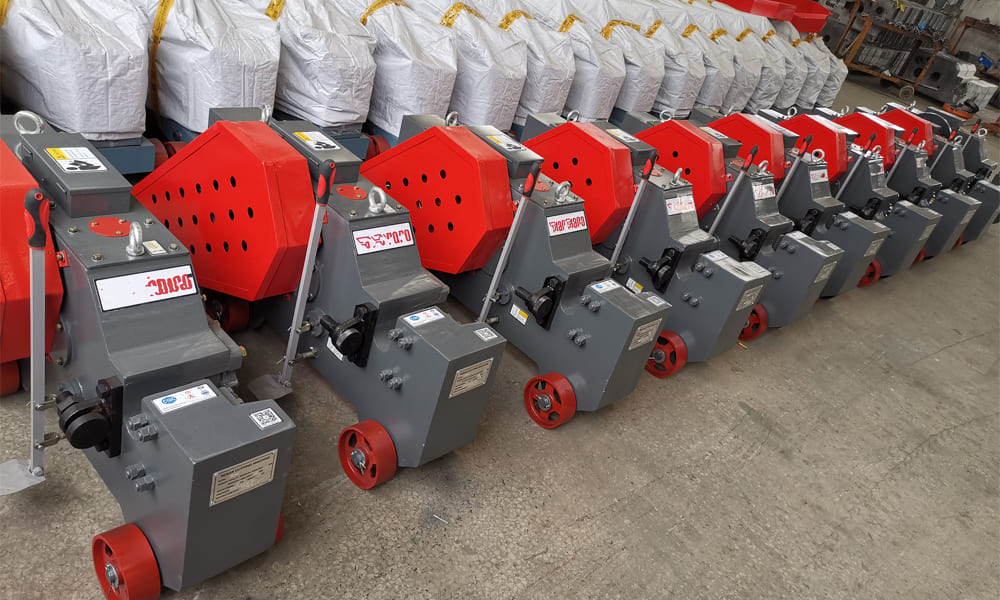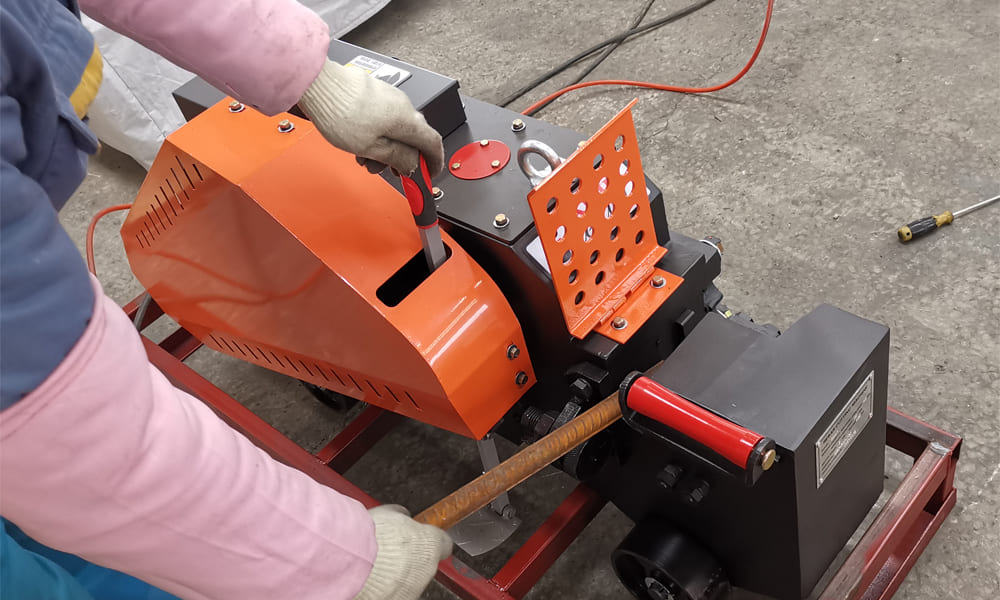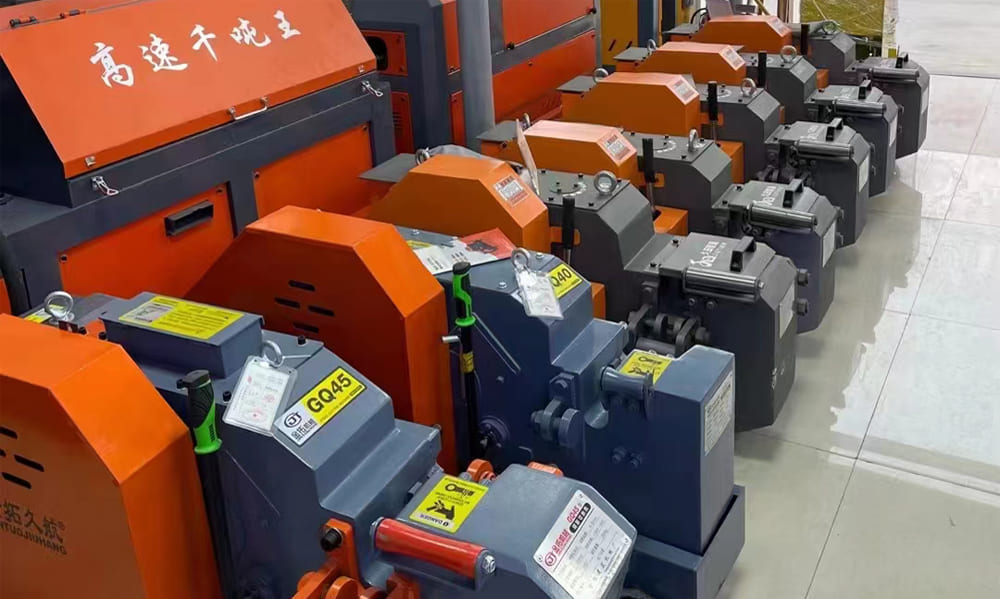
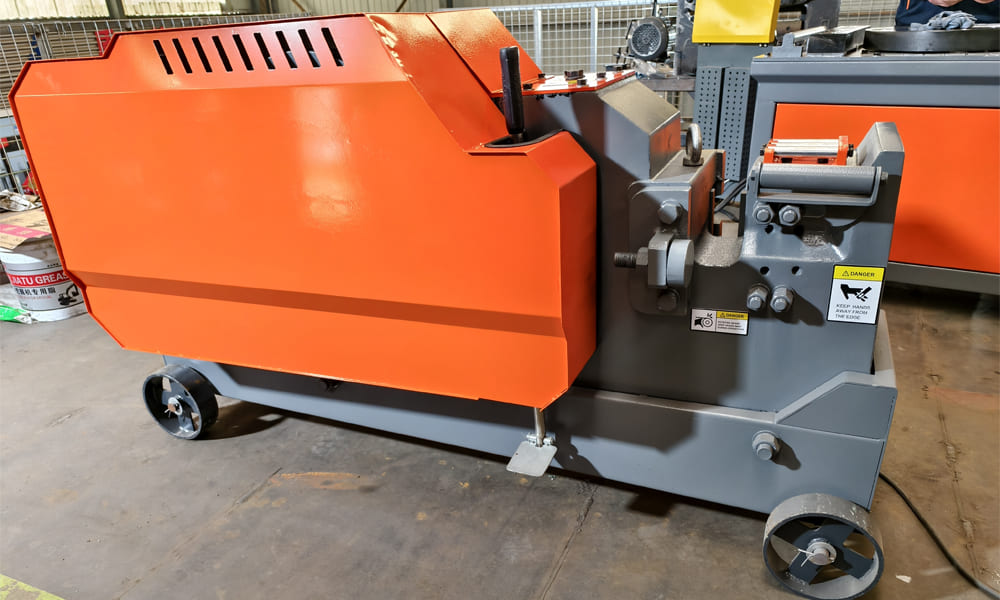
C42 cutting machine,In the bustling environment of a construction site, the rebar cutting station is a hub of critical activity. While traditional manually operated rebar cutters get the job done, they often leave room for improvement in efficiency, safety, and data-driven management. A transformative upgrade—retrofitting these machines with a foot pedal and an automatic counter—is proving to be a game-changer, offering a clear competitive edge to modern construction projects.
Part 1: The Foot Pedal – Unleashing Hands-Free Safety and Speed
1. How It Works:
The foot pedal isn’t directly controlling the powerful motor. Instead, it is integrated into the machine’s control circuit as a remote “start” signal. When the operator presses the pedal, it sends a signal to engage the contactor, initiating a single, complete cutting cycle. Proper installation involves using relays to ensure the low-voltage switch safely controls the high-power motor.
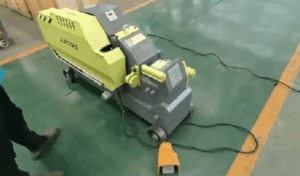
2. Key Advantages:
-
Revolutionized Safety: This is the most significant benefit. Traditional operation requires one hand to press the start button while the other steadies the rebar, inevitably keeping hands near the dangerous cutting zone. The foot pedal completely liberates both hands to focus solely on holding and positioning the rebar at a safe distance, drastically reducing the risk of hand injuries and aligning with the highest safety protocols.
-
Dramatic Efficiency Gains: Using hands and feet simultaneously streamlines the workflow. Eliminating the reach-for-the-button motion shortens each cycle time. For high-volume, fixed-length cutting tasks, this efficiency surge is substantial, directly accelerating project timelines.
-
Enhanced Ergonomics: Foot operation is intuitive and requires less awkward movement, reducing operator fatigue and making the job less physically demanding.
Part 2: The Automatic Counter – Data-Driven Precision for Modern Management
1. How It Works:
The most reliable method uses non-contact sensing. A metal trigger plate is attached to the moving cutter arm, and an inductive proximity sensor is fixed to the machine’s main body. Each time the cutter completes a stroke, the plate passes the sensor, generating an electrical pulse. This pulse is sent to an electronic counter, registering one accurate count. Advanced pre-set counters can be programmed with a target number, triggering an alarm or even stopping the machine once the batch is complete.
2. Key Advantages:
-
Flawless Data Accuracy: This upgrade eliminates the archaic and error-prone methods of mental counting or tally marks. It prevents miscounts due to distraction or interruptions, providing an irrefutable data foundation for calculating工作量 (workload – gōngzuò liàng), material usage, and client billing.
-
Precision Management and Cost Control: Project managers can use counter data to track daily output per machine, monitor batch completion in real-time, and optimize crew allocation. Accurate counts of cut pieces enable precise cost control and minimize material waste.
-
Semi-Automated Operation: When linked with the foot pedal, it creates a seamless “one step, one cut, one count” workflow. The operator is free from counting duties and can concentrate fully on feeding material, standardizing the production process.
Part 3: The Synergistic Effect – A Whole Greater Than the Sum of Its Parts
The true power is realized when the foot pedal and counter are integrated into a single system.
The process becomes a perfect closed loop: “The foot initiates the cut, the action triggers the count.” Every pedal press results in a verified, recorded operation. This synergy doesn’t just simplify the task; it concurrently achieves the triple goal of enhanced safety, superior efficiency, and meticulous management, elevating the entire rebar preparation process to a new level of modernity.
Conclusion
Retrofitting a C42 cutting machine with a foot pedal and an automatic counter might seem like a simple modification. However, it represents a significant leap forward, reflecting the construction industry’s inevitable march towards greater safety, higher efficiency, and smarter data utilization. It is a modest investment with an immediate and substantial return. For any modern construction outfit dedicated to lean management, workplace safety, and cost-effectiveness, this upgrade is not just an option—it is an essential step towards future-proofing their operations.