Function and Precautions of Piles and Bushings on Steel Bar Bending Machine
Function
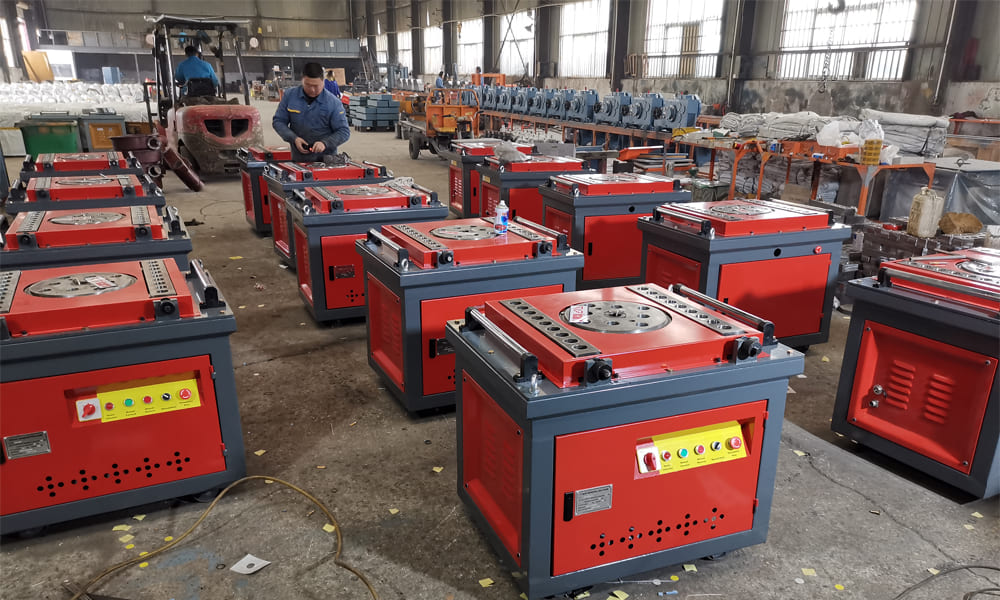
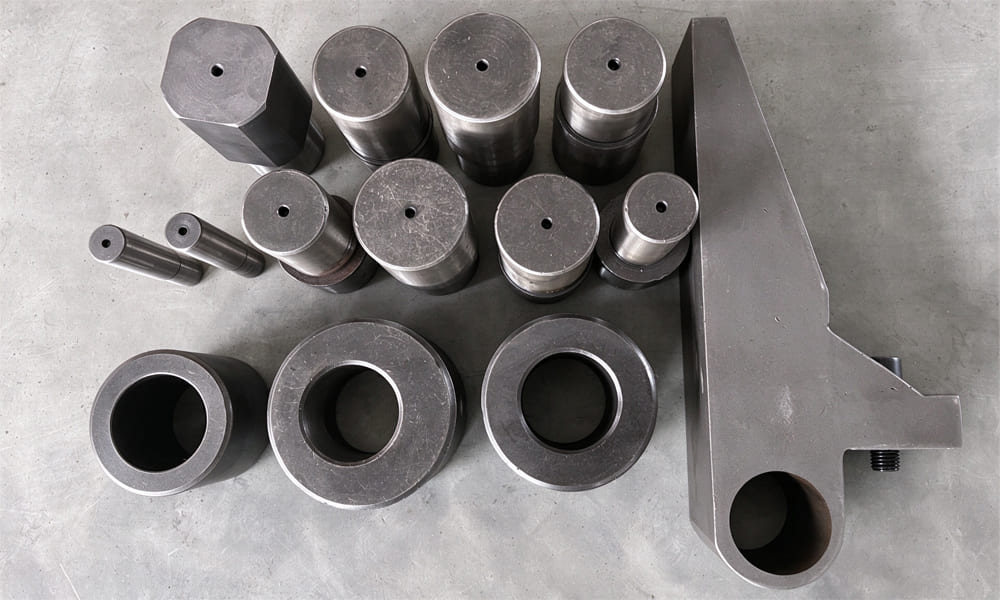
The bending piles and bushings is a key wearing part of the steel bar bending machine. When bending steel bars of different diameters:
- It serves as the rotating support sleeve for the bending shaft, reducing friction between the bending shaft and the machine body during rotation.
- It keeps the bending shaft stable and concentric, preventing shaft deflection when bending rebars with varying diameters, especially large-diameter steel bars that bring heavy load.
- It bears the extrusion and shear force transferred from the bending shaft during forming, protecting the main shaft housing from direct wear.
- When switching to bend different rebar sizes, the matched bushing ensures the bending pin runs smoothly, maintaining accurate bending angles and forming dimensions for various steel bar diameters.
Precautions
- Select bushing materials and specifications according to the maximum diameter of steel bars to be processed. Heavy-duty bushings are required for large-diameter rebars to avoid cracking or deformation under heavy load.
- Check lubrication regularly. Apply grease between the bushing and bending shaft before operation. Insufficient lubrication will cause overheating, rapid abrasion and shaft jamming.
- Inspect the bushing clearance frequently. Replace the bushing in time when excessive wear leads to large clearance, which will cause unstable bending size and vibration.
- Keep the bushing surface clean. Remove steel scraps, concrete dust and debris; foreign particles will scratch the mating surface and accelerate wear.
- Do not overload the machine. Even with intact bushings, bending steel bars exceeding the machine’s rated diameter will cause permanent damage to the bushing and bending shaft.
- Ensure proper installation. The bushing must be fully seated without offset, otherwise uneven stress will result in premature failure.